Valetta

Discover Valetta

Why Book Your Valetta Holiday with GotoBeach?

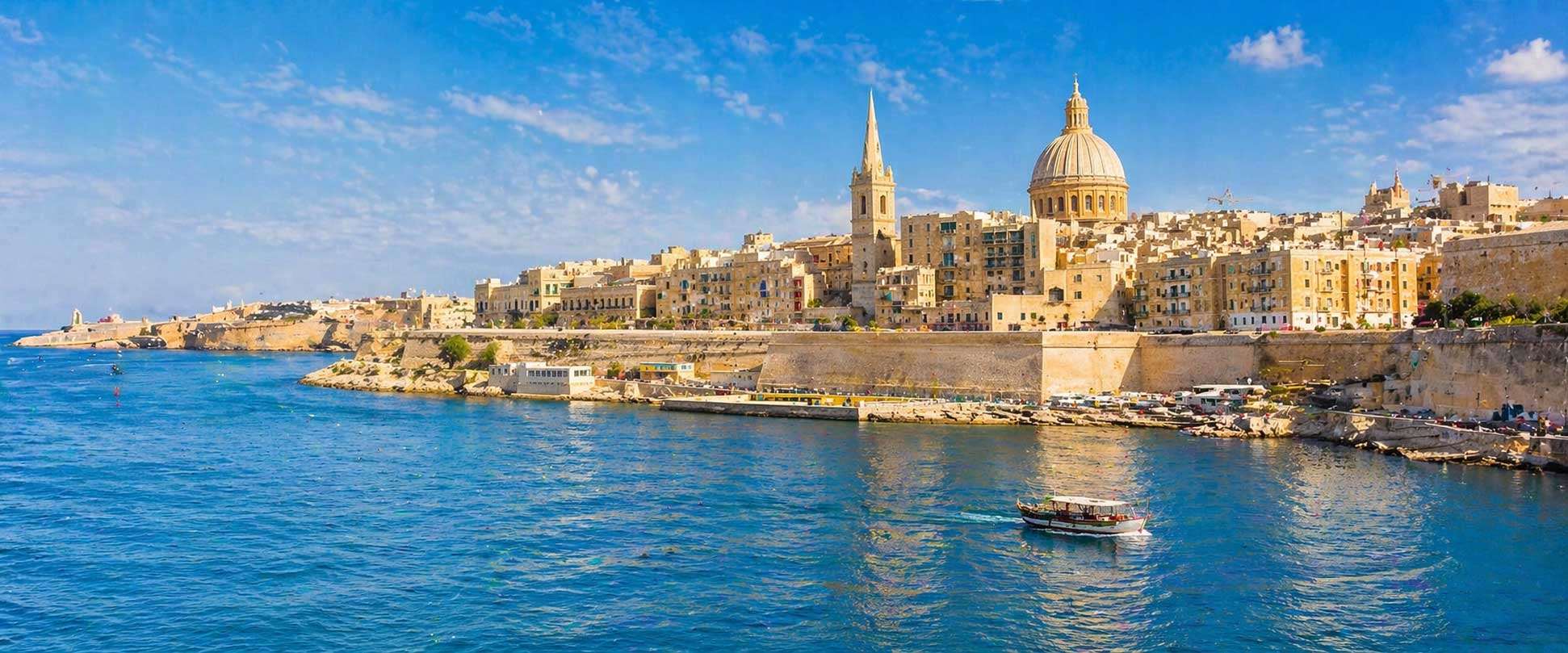
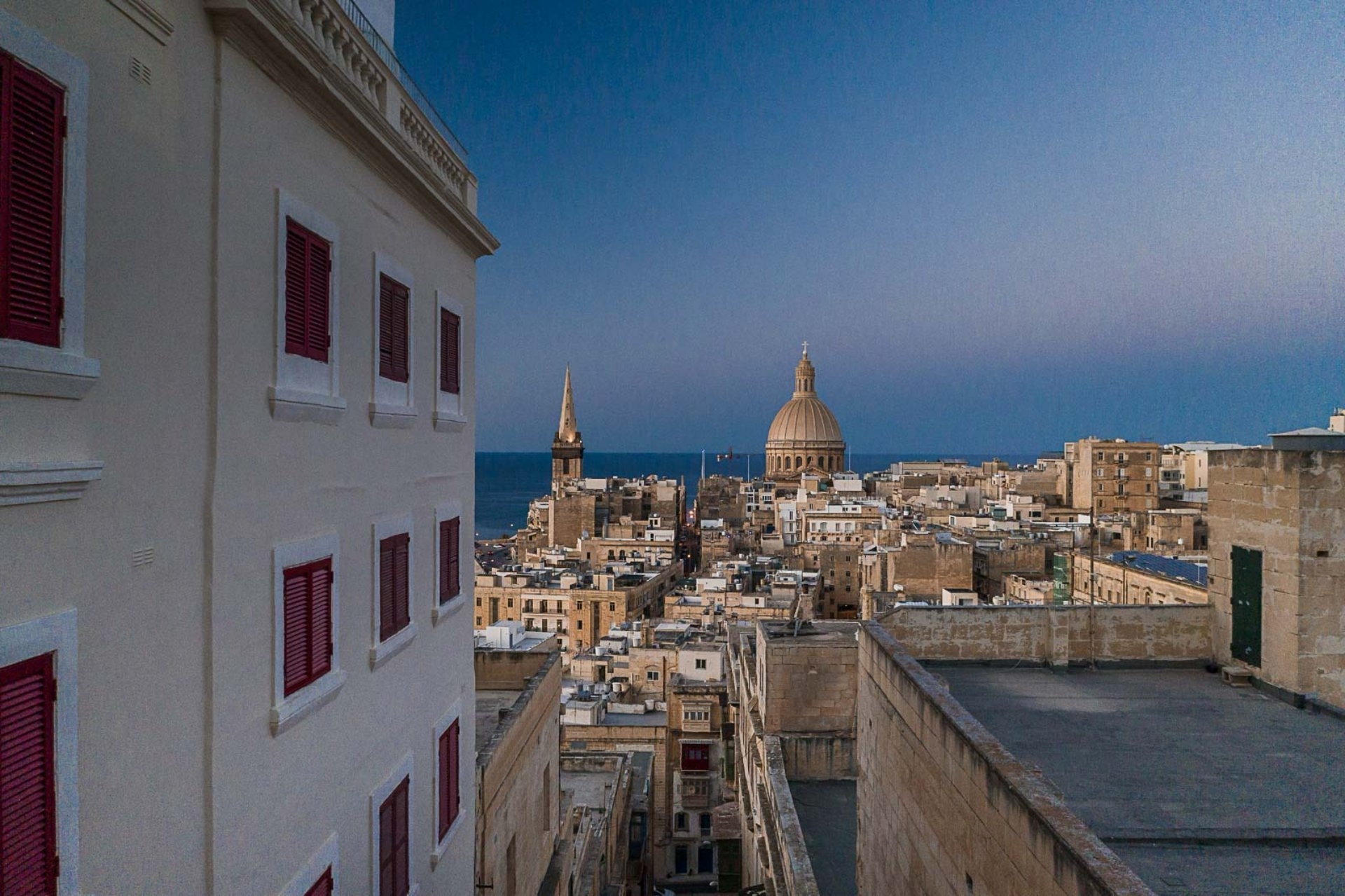
Valletta is the Mediterranean at its most cultured: a compact, honey-stone capital built in a hurry by the Knights of St John after they held off the Ottomans in the Great Siege of 1565, and barely changed since. Laid out on a grid across a narrow peninsula between two great harbours, it is one of the most concentrated historic cities in Europe — a UNESCO World Heritage Site since 1980, small enough to cross on foot in twenty minutes, yet packed with baroque churches, palaces, museums and grand gardens looking out over the water. People come here for St John's Co-Cathedral and its Caravaggio, for long lunches in stepped alleyways, and for evenings on the bastions as the sun drops behind the Three Cities — not for a beach and a wristband.

Every Malta holiday we sell carries full ATOL financial protection under licence #11211, and your ATOL Certificate arrives the moment you book — you can read how your money is financially protected before you commit. Valletta is a culture-and-city-break capital rather than a resort with sand on the doorstep, so a little planning goes a long way; below I explain honestly what the city is like, where our nearest bookable seaside bases sit, and how to build the trip around it.

"Valletta is where I send people who've done the sun-lounger fortnight and want a city that actually means something — you walk out of St John's still thinking about the Caravaggio, then eat dinner in a lane the Knights built four hundred years ago," says Thomas Kaplan, our Product Manager and Mediterranean Specialist, who has spent twenty-eight years in the business, including senior product roles at TUI and Thomas Cook, and still inspects the bases he sells. He is honest about the trade-off, too: "I walk the standard rooms, not the show room" is how he puts it, and he is quick to say Valletta is a stone city on a hill, not a beach — the swimming is a short hop away at Sliema or St Julian's, which is why he usually pairs the capital with a seaside base. For the wider picture, his overview of holidays across the Maltese islands sets Valletta beside the coast, and his guide to choosing the right area in Malta is the honest place to start. Meet Thomas Kaplan, our Mediterranean specialist.


Photos of Valetta

Hand Picked Deals

Top Hotels in Valetta

Osborne Hotel
Osborne Hotel

Valetta / Malta

Room Only

£ 1031.06

Discover Valetta

Where to stay for a Valletta holiday

Inspected in person · product-manager's verdict

Here is the honest picture: Valletta is a capital city-break, a walkable maze of boutique hotels and townhouses inside the bastions — wonderful, but not a beach. The swimming is a few minutes away along the coast, so most people who want a proper seaside week base themselves at one of the hand-picked, in-person inspected bases below and treat Valletta as a superb day out. Each is a short ferry or drive from the capital. Or ask us about a boutique stay within the city walls themselves.

Across the harbour · the closest base

Sliema

Seafront & ferry
★★★★

Valletta's smart neighbour just across Marsamxett Harbour, and the nearest place with a proper run of seafront hotels. Sliema is a breezy promenade town of shops, cafes and rocky lido swimming, with a little ferry that skips across to Valletta in minutes. Best for couples and culture-lovers who want the capital on the doorstep and a swim off the rocks; not the pick for a long sandy family beach.

🏙 Ferry to Valletta in minutes · rocky lidos & promenade

The lively bay · the widest choice

St Julian's

Family & nightlife
★★★★★

A little further round the coast and the biggest hand-picked choice near the capital, from smart harbour hotels around Spinola Bay to the buzz of Paceville. This is where families and mixed groups usually base themselves, with the widest spread of resorts, restaurants and evening life, and an easy bus or taxi run into Valletta for the sightseeing.

🏖 Short drive to Valletta · bays, dining & nightlife

The wider island · all styles

The Malta mainland

Sun-Soaked Select
★★★★★

If you'd rather pair Valletta's culture with a full beach base, the wider island of Malta — from the sandy north around Mellieha and Bugibba to quieter southern coves — has our deepest run of inspected hotels, pools and family resorts. Fly into Malta, spend a day or two exploring the capital, then settle by the sea for the rest of the trip.

🏖 Malta International Airport · sandy bays & resorts

Prefer to be right inside the walls, in a restored townhouse or a small boutique hotel with a rooftop over the rooftops? That is Valletta's real speciality, and we can arrange it — talk it through with Thomas, who knows which quiet lane is worth the extra steps and which room actually catches the harbour light. For inspiration on matching town to trip, his guide to where to stay in Malta is a good compass.

Discover Valletta

Valletta was built with a single purpose and a single plan. After the Knights of St John repelled the Ottoman fleet in 1565, their Grand Master, Jean Parisot de Valette, resolved to fortify the peninsula properly, and the new city that rose behind the bastions took his name. Laid out on a strict grid by the military engineer Francesco Laparelli, it is a rare thing: a whole Renaissance capital conceived and built in one go, its long straight streets dropping steeply to the water at either end. You feel that clarity as you walk — and you feel the gradient too, which is exactly why comfortable shoes matter more here than in a flat beach resort.

What gives Valletta its cultured reputation is the density of it all. Behind almost every honey-coloured facade is a church, a palazzo, a museum or a restaurant, and the whole city is small enough to explore at a wander. It draws curious, unhurried travellers — couples, culture-lovers, returning regulars — who like that it is a living capital rather than a museum piece, with washing strung across the lanes and locals at the bar of the same cafe every morning.

It is worth being clear-eyed about who Valletta suits. If your ideal is stepping from an all-inclusive lobby straight onto soft sand with a kids' club next door, this is not that holiday — and I would gently steer you to a beach base on the island's north instead. But if you want somewhere with genuine history, memorable food and views over one of the great harbours of the world, Valletta rewards you like few cities in the Mediterranean. It works beautifully as part of a two-centre Malta holiday, a few nights of culture stitched onto a seaside week nearby.

Valletta's harbours & swimming

Be honest with yourself about swimming before you book, because Valletta is a fortified city on a peninsula, not a beach resort. Its edges are sheer bastion walls dropping to two deep harbours — the Grand Harbour to the south-east and Marsamxett to the north-west — so there is no sand within the walls and no real place to swim in the city itself. What Valletta offers instead is the spectacle of those harbours: the Grand Harbour is one of the finest natural anchorages in the Mediterranean, ringed by the fortified Three Cities and best seen from the Upper Barrakka Gardens high on the bastions.

For an actual swim you head a short way along the coast. Sliema, directly across Marsamxett and a quick ferry hop from the capital, has a long promenade of rocky lidos and flat shelves you can lower yourself into the clear water from. A little further round, St Julian's and its bays offer more of the same, plus the sandier options of the wider island are an easy drive north. In other words, the sea is close — just not on Valletta's doorstep.

The most rewarding way to see Valletta's coastline, though, is from the water. A harbour cruise around the Grand Harbour and Marsamxett gives you the bastions, the creeks and the Three Cities from the angle their builders intended, and a traditional dghajsa water taxi will ferry you across to Birgu in a few minutes. If proper sandy beaches are the whole point of your holiday, base at Sliema, St Julian's or the island's north and treat Valletta as a spectacular day out; if the harbours, the history and a swim off the rocks are enough, the capital is a joy.

Things to do in Valletta

For such a small city, Valletta packs in a remarkable run of sights. The unmissable one is St John's Co-Cathedral, a plain enough shell hiding one of the most opulent baroque interiors in Europe — gilded from floor to vault, its marble floor a carpet of Knights' tombstones — and home to Caravaggio's vast masterpiece, The Beheading of Saint John the Baptist, the only work the painter signed. Nearby, the Grand Master's Palace and its state rooms and armoury tell the story of the Order that ruled here for centuries, while the Upper Barrakka Gardens give the postcard view over the Grand Harbour, with a noonday gun still fired from the saluting battery below.

Out on the tip of the peninsula, Fort St Elmo guarded the harbour mouth through the Great Siege and now houses the National War Museum, which carries the story right up to Malta's George Cross of the Second World War. Add the waterfront's restored warehouses along the Grand Harbour, the little museums and churches tucked down side streets, and simply strolling Republic and Merchants Streets, and a full day fills itself without effort.

Valletta rewards curiosity beyond the headline sights, too. Duck into MUZA, the national art museum in a restored auberge, or catch a performance at the Manoel Theatre, one of the oldest working theatres in Europe. If you like your holidays cultural and unhurried rather than horizontal, the capital and the Three Cities together give you days of things to see — one reason returning visitors keep coming back for the history. For a broader steer, see our guide to the island of Malta and its towns.

Valletta after dark: Strait Street & the bastions

Valletta's evenings are, quietly, part of why people fall for it. As the day-trippers thin out and the stone glows amber in the low light, the capital settles into a slower rhythm. Strait Street — once the raffish sailors' quarter known to generations of navy men as "the Gut" — has been reborn as a strip of wine bars, jazz spots and little restaurants spilling tables into the narrow lane. It is smart-casual and characterful rather than flashy: a place to linger over a plate and a glass of Maltese wine as the city hums gently around you.

Take an evening stroll along the bastions to get your bearings on the first night, then let the lanes lead you the rest of the week — Valletta takes its food and its wine seriously, and the standard is high. Days here have a shape you settle into fast: mornings for the museums before the cruise crowds arrive, an afternoon pause out of the midday sun, and the long, golden evening on the bastions and in Strait Street that is the city's real speciality. It is cultured, relaxed and genuinely memorable, which is exactly what its regulars return for.

Day trips: the Three Cities, Mdina & Gozo

Half the pleasure of Valletta is how much sits within easy reach. Straight across the Grand Harbour by ferry or water taxi are the fortified Three Cities — Birgu, Senglea and Cospicua — the Knights' original home, quieter and more lived-in than the capital, with atmospheric waterside lanes and the Malta Maritime Museum. Inland, the silent walled hill-town of Mdina, Malta's old capital, is an easy bus ride away, its honey-stone ramparts glowing at dusk.

Further afield, a day on the sister island of Gozo — greener, slower and reached by a short ferry from the north of Malta — brings the Citadel at Victoria, sea cliffs and quiet fishing harbours. Malta drives on the left, as at home, and distances are small, so a hire car or an organised trip with a driver opens up the whole island easily; your GoToBeach team can help arrange it alongside your stay. However you do it, Valletta's position means you never run out of somewhere new to see — it is a base for exploring as much as a place to switch off.


When to go to Valletta

When Air Sea Our take
April–May 19–24°C 17–19°C A beautiful, mild time before the heat, with clear light on the honey stone and comfortable days for walking the whole city. The sea is still fresh but swimmable off the Sliema rocks. My favourite window for sightseeing.
June 27–30°C 22–23°C Early summer at its best: hot, dry days, long light evenings and a sea that has warmed nicely. Busy with cruise visitors by day but lovely in the cooler mornings and on the bastions after dark.
July–August 31–35°C 25–27°C Peak heat and peak crowds, with Valletta's stone streets feeling fierce at midday — see the museums early and save the evenings for Strait Street. Warm sea and buzzing nights; book early.
September 28–31°C 25–26°C Arguably the sweet spot: the sea is at its warmest, the fierce heat eases and the summer crush thins. Perfect for pairing culture with a swim off the rocks. Highly recommended.
October 23–27°C 23–24°C A gentle, golden close to the season with warm water and quieter lanes, ideal for couples and culture-lovers. The city stays lively year-round as a working capital.

The practical parts

Getting there

Malta has a single airport, Malta International (MLA), with wide year-round choice of direct flights from the UK. It sits close to the capital — roughly fifteen minutes' drive to Valletta, a little more in traffic — so the last leg is short and simple. A private transfer is included in every GoToBeach package, which is genuinely welcome after a flight; you can read more about how our resort transfers work.

Passports & entry

Malta is in the Schengen area, so UK citizens can visit for tourism for up to 90 days in any 180-day period without a visa. Your passport should be less than ten years old on the day you enter and valid for at least three months after the day you plan to leave. Rules can change, so always check the official FCDO guidance, linked below, before you travel.

Money

Malta uses the euro, which keeps things simple for UK visitors. Cards are widely accepted in hotels, restaurants and shops, and contactless is the norm, but it is worth keeping a little cash for small cafes, markets, the harbour ferries and tips. ATMs are easy to find in Valletta and across the island.

Health & insurance

No vaccinations are compulsory for a normal visit, though it is worth checking the NHS travel-health advice, linked below. Pack strong sun protection for the fierce midday heat and comfortable shoes for Valletta's steep, stepped streets. We always recommend comprehensive cover; we can help you arrange suitable travel insurance before you go.

Getting around

Valletta itself is best explored on foot — it is small, but genuinely steep, so pack light footwear. Malta drives on the LEFT, just like the UK, which makes a hire car straightforward, though the city centre is largely pedestrianised. Frequent buses link Valletta to Sliema, St Julian's and the whole island, and little harbour ferries skip across to Sliema and the Three Cities. English is an official language, so getting around and asking directions is easy.

Food & drink

Maltese food is a warm blend of Sicilian and North African influences. Try ftira, the island's rustic sourdough loaf, and pastizzi, the flaky filled pastries every local queues for; fenek, or rabbit, is the national dish, slow-cooked in wine and garlic. Down on the Grand Harbour waterfront you can dine on fresh fish with the bastions floodlit above you, glass of crisp Maltese white in hand.


Map of Valetta

Frequently Asked Questions About Valetta

Common questions and answers for planning your Valetta holiday.

Handpicked packages featuring the best destinations across the Valetta

Official guidance & sources

Entry rules and travel-health advice can change at short notice, so always recheck the official guidance below close to departure.