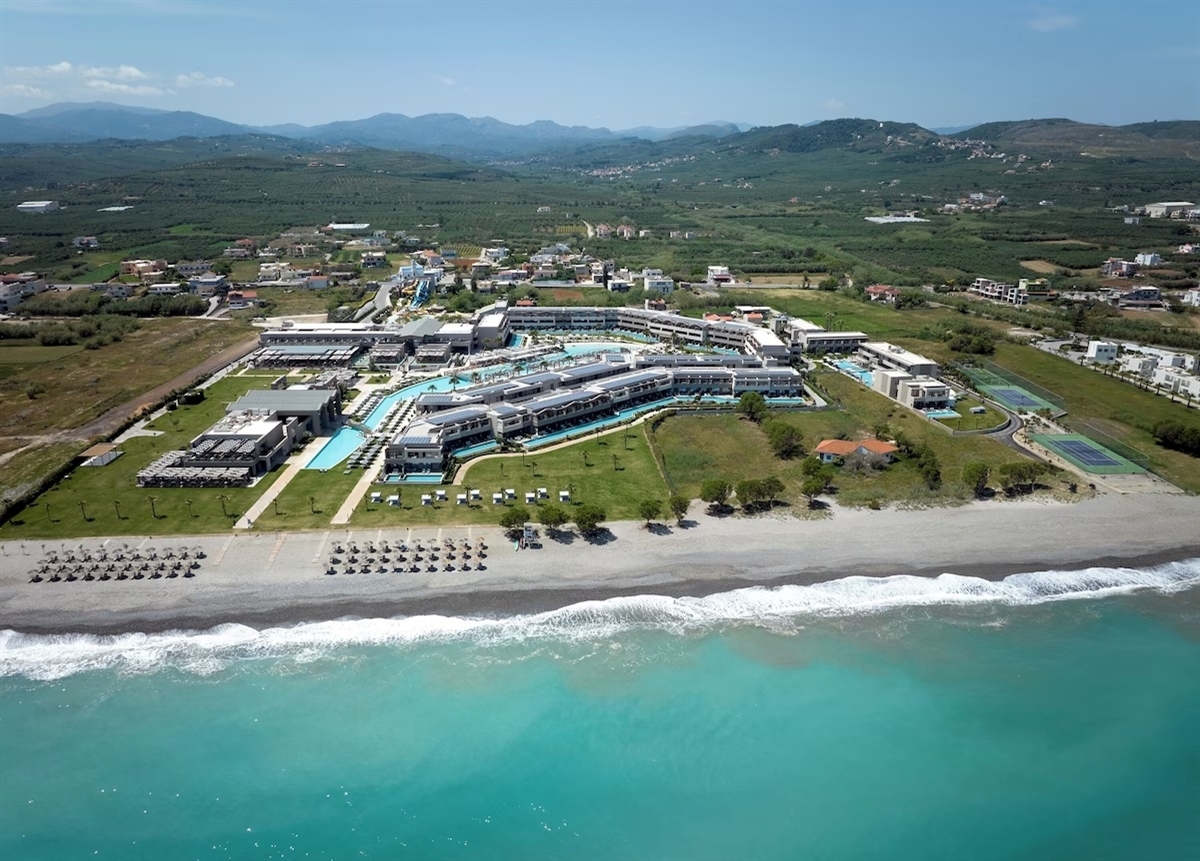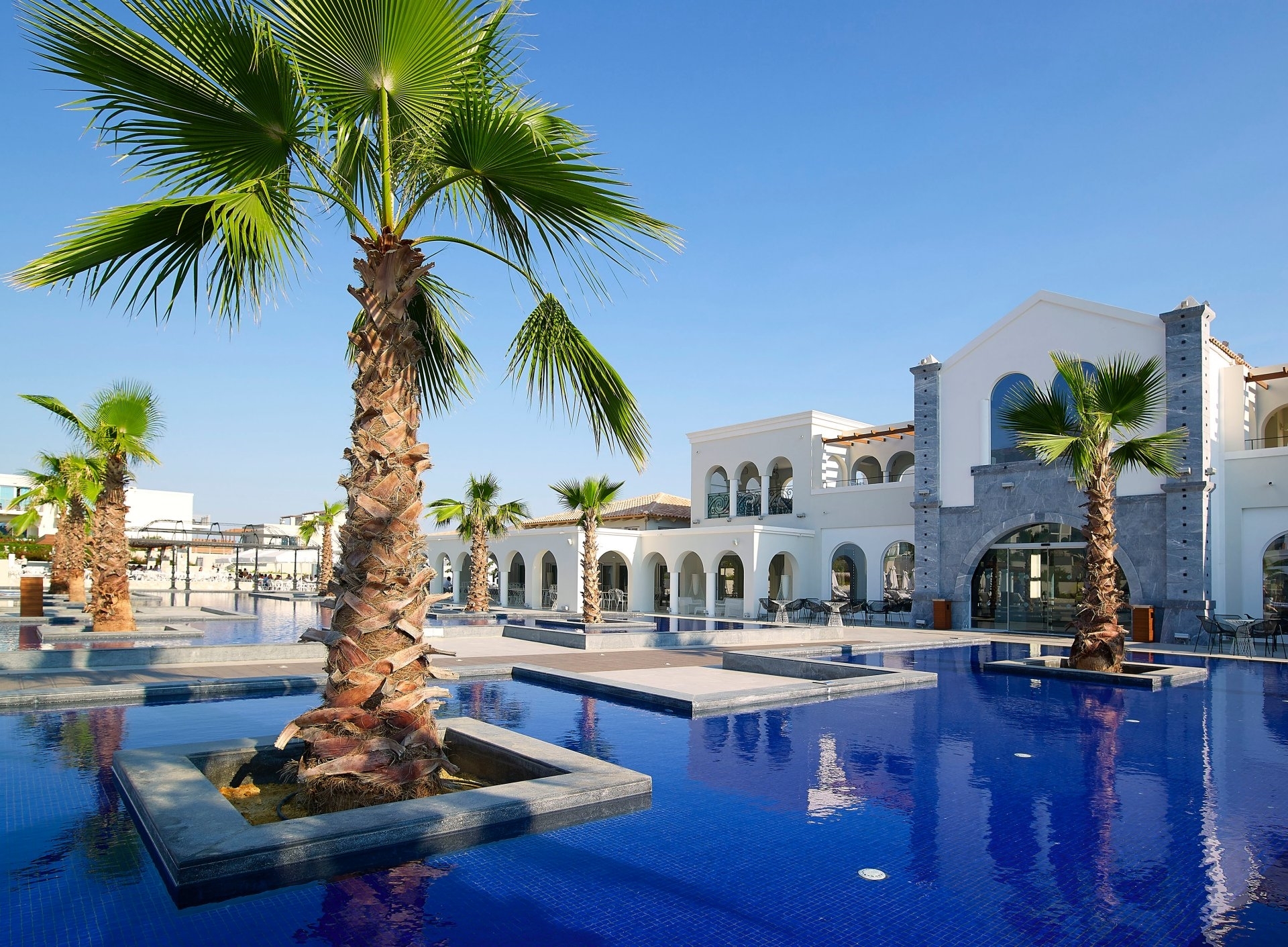

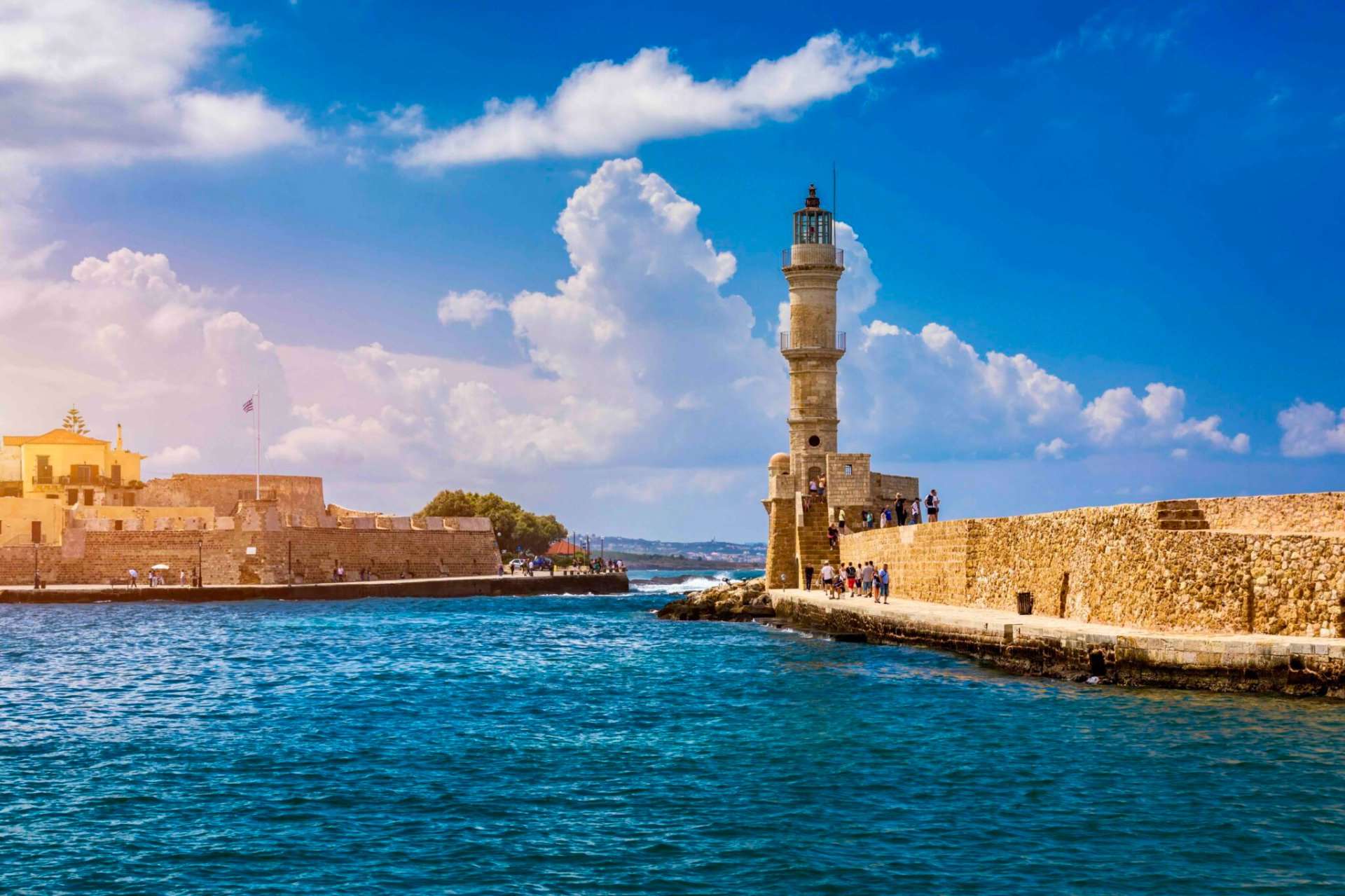
Chania is the prettiest corner of Crete — a Venetian harbour ringed by pastel houses and waterfront tavernas, backed by the White Mountains, with the long sands of Agia Marina, Platanias and Maleme running west along the coast and the pink-tinged beaches of the far west within a day's reach. This is the island's grown-up base: the pick for couples and families who want real character and a beautiful old town alongside their sunbed, rather than a strip of bars. Chania Airport (CHQ) sits a short drive east, so the transfer to the coastal resorts is around 40 minutes. If you want a Cretan week that pairs a proper beach holiday with one of the loveliest towns in Greece, Chania is the answer.
Every Chania package we sell carries full ATOL financial protection under licence #11211, and your ATOL Certificate arrives the moment you book — you can read exactly how your ATOL financial protection works before you part with a penny. Every hotel on this page has been hand-picked and inspected in person against our 22-point criteria, not lifted from a brochure, so you are booking a resort someone from our team has genuinely walked through.
"If someone asks me where on Crete they should go for their honeymoon or a special week, I say Chania nearly every time," says Eleni Trachalakis, our Greece Operations Manager, who grew up on the island and spent years as a Thomas Cook resort representative before joining GoToBeach. "You get a beach holiday and a beautiful old town in one, and the light on that harbour at dusk is something people remember for years. The trick is choosing the right stretch of the west coast — some resorts sit on glorious sand, others need a short hop to the best of it — and that's exactly what I re-check in person every season." Eleni will happily tell you which hotels put you within a walk of the harbour and which are better for a quiet week on the sand.