
Agadir Area

Discover Agadir Area

Why Book Your Agadir Area Holiday with GotoBeach?

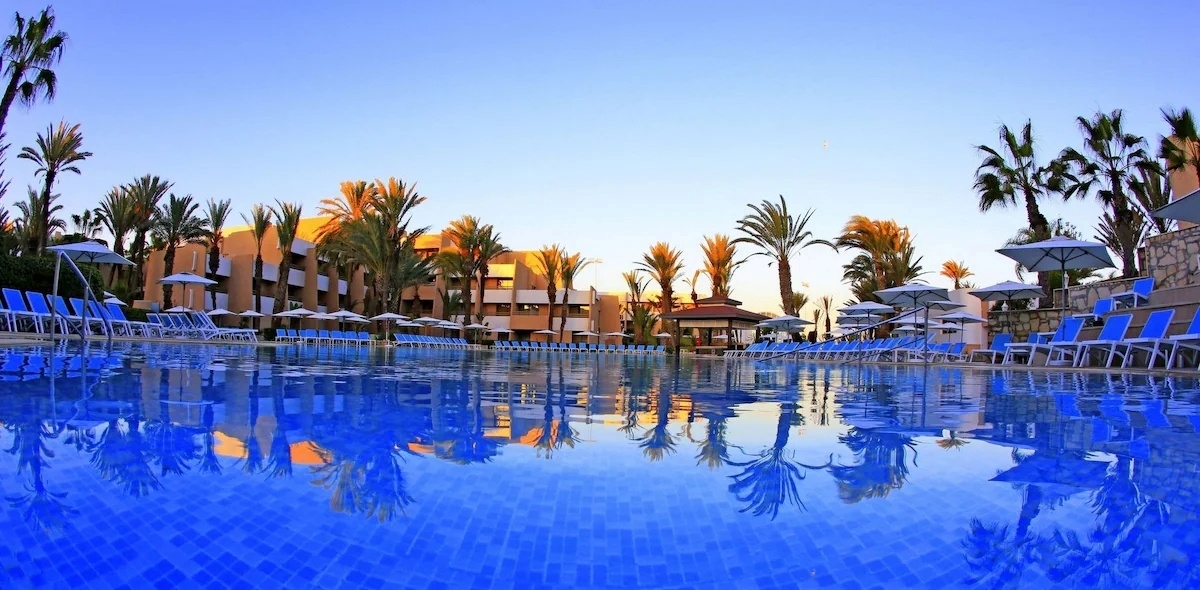
The Agadir area is Morocco's beach coast, and it does a very specific job better than anywhere else in the country: reliable Atlantic sun on a long, clean stretch of sand, with a modern, easygoing resort city behind it. This is where you come for the holiday Marrakech can't give you — a proper beach, a flat seafront promenade you can walk end to end, big all-inclusive hotels with pools and gardens, and a climate so dependable that the winter months here are among the sunniest anywhere within four hours of the UK. Wrap in the surf villages up the coast, the palm-shaded valleys inland and Marrakech itself a few hours away, and Agadir becomes both a straightforward beach week and the springboard for something more.

Every Agadir-area holiday we sell is one financially protected booking — flights, transfers and hotel together under ATOL licence #11211 — and your ATOL Certificate lands the instant you confirm, so you can read exactly how your holiday is financially protected before you commit. And every hotel on this page has been inspected in person against our criteria, which along this beachfront matters: the resorts here line up cheek by jowl on one strip, and only a walk-through tells you which have the direct beach access, the honest sea view and the standard rooms worth having.

I am Thomas Kaplan, Product Manager and Mediterranean specialist at GoToBeach, and I've spent twenty-eight years in European and North African travel, much of it with TUI and Thomas Cook before I joined GoToBeach to build a range I can stand behind. When I inspect the Agadir strip I don't judge a hotel by its show suite or its brochure sunset; I walk the standard rooms you'll actually be allocated, check how far the ‘beachfront’ really is from your towel to the sand, and eat in the restaurant on an ordinary night rather than a press night. My one test never changes: would I send my own family here, at this price, for this week? If a hotel can't pass it, it doesn't make the page — and when you call, you're talking to the person who did the walking. You can read more about how I inspect these hotels before you book.
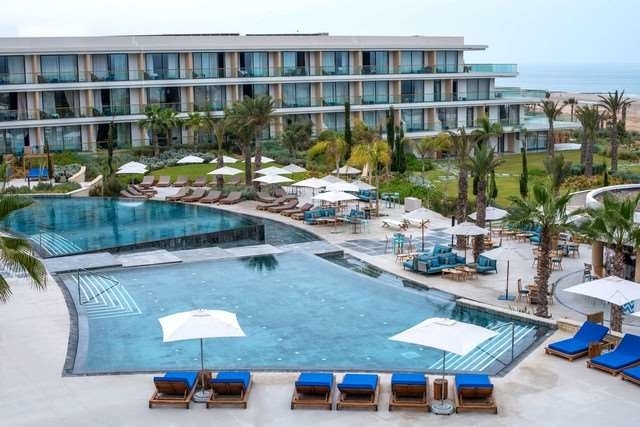
 

Photos of Agadir Area

Hand Picked Deals

Top Hotels in Agadir Area

Fairmont Taghazout Bay

Agadir / Morocco

Bed&Breakfast

£ 2376.83

Hyatt Regency Taghazout Hotel

Agadir / Morocco

Bed&Breakfast

£ 1619.31

Dunes D'or Ocean Club

Agadir / Morocco

All Inclusive

£ 1285.6

Discover Agadir Area

The resorts of the Agadir area

Inspected in person · product-manager's verdict

The Agadir area is really one big beach city with a scatter of very different places up and down the coast and inland. Agadir itself is the base we book and the one with its own landing page below; the surf villages, the valleys and the towns beyond are day-trips and character rather than resorts you'd fly to. Here's the honest best-for on each, so you know what's worth a day out from the sunbed.

The beach city · the base

Agadir

Atlantic Beach Favourite
★★★★★

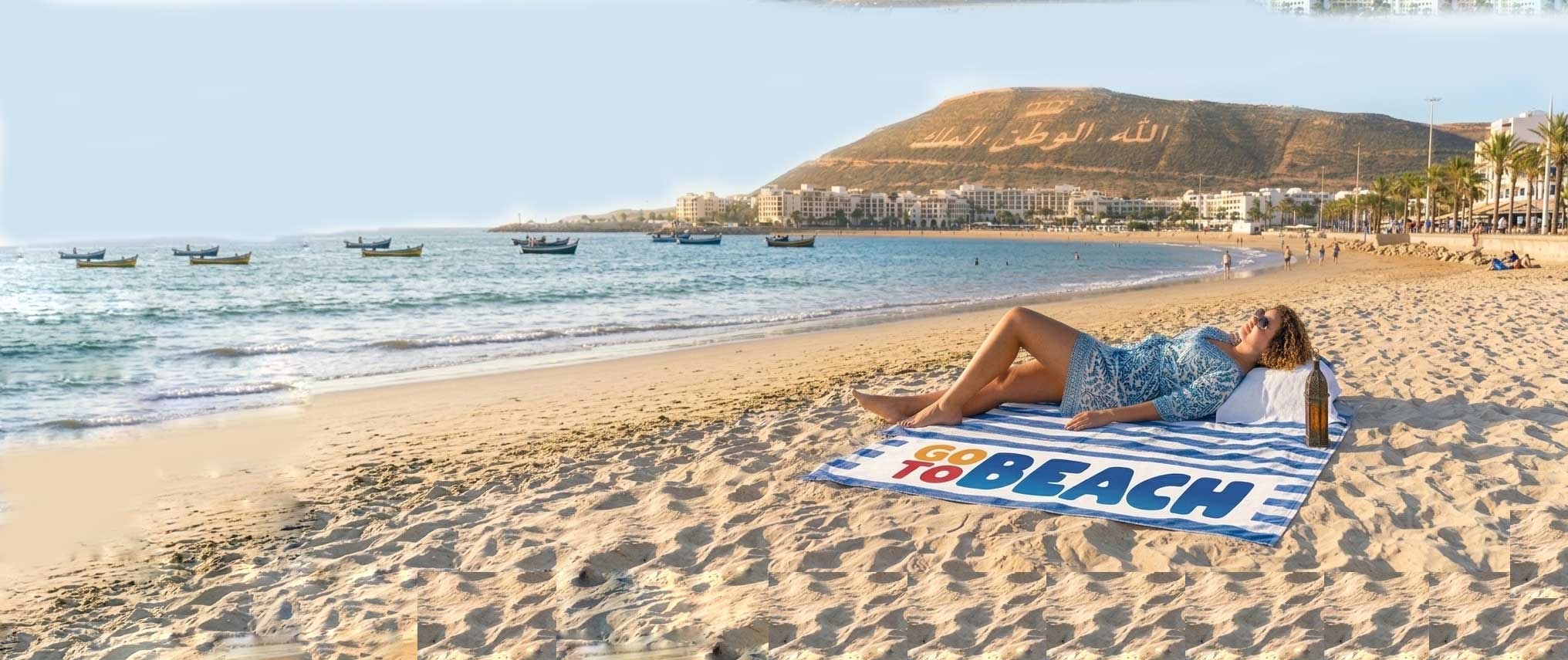
Morocco's premier beach resort: a ten-kilometre crescent of golden sand, a flat seafront promenade of hotels, cafes and a marina, and some of the most reliable sunshine in the country, winter included. Best for families and sun-seekers who want a straightforward, modern beach holiday with all-inclusive choice; less the pick for anyone chasing old-Morocco atmosphere, which lives up in Marrakech and Essaouira rather than on this rebuilt grid of a city.

🏖 10km sandy beach · Atlantic — cooler, breezier sea

Up and down the coast, the sub-regions each have their own draw, worth knowing even though they're excursions rather than booking pages here. Taghazout, twenty minutes north, is the surf capital — a once-sleepy fishing village turned laid-back board-and-yoga hub, with a string of point breaks, beach cafes and a boho mood that pulls a younger, sportier crowd; our first tip for anyone who wants to learn to surf or just watch it over a coffee. Paradise Valley, inland in the foothills, is the freshwater antidote to the salt: a palm-lined gorge of turquoise rock pools where you swim in cool mountain water and jump from the ledges. The Souss-Massa National Park, south of the city, is birdwatching and dune country, home to the rare bald ibis and a quieter, wilder shore. And further afield, Taroudant — the walled ‘little Marrakech’ inland — and Essaouira, up the coast, give you old-town character within a longer day's reach.

To see how the coast fits with the rest of the country, browse our full choice of Morocco holidays, weigh the beach against the city on our Marrakech area page, or read the whole picture in our guide to the best Morocco holidays. It all comes under one straightforward GoToBeach Morocco package.

Discover the Agadir area

Agadir is unusual among Morocco's famous names because it is, in effect, a brand-new city. A devastating earthquake levelled the old town in 1960, and what rose in its place was rebuilt from scratch as a modern, low-rise, grid-planned resort — wide boulevards, generous green space, and a seafront designed for holidays. That history explains the character honestly: you don't come to Agadir for a labyrinth of ancient alleys, because there mostly isn't one. You come for the beach, the sun, the ease and the space, and for a Moroccan city that feels relaxed, safe and easy to get around from your first afternoon.

The setting is the thing. Agadir sits in a wide bay on the Atlantic, sheltered enough that its ten-kilometre beach stays swimmable and its sunshine record is the envy of the Mediterranean in the depths of winter, when the strip basks while Europe shivers. Behind the beach runs a long, flat promenade — the heart of the resort's evenings — leading to a smart modern marina at the northern end. Above it all, the ruined kasbah on its hilltop survived the earthquake and gives the classic view back over the bay, with the Arabic and Berber hillside slogan lit up after dark. Inland, the Souss valley's argan groves and the High Atlas foothills begin quickly, so a beach base here comes with real country behind it.

Agadir area beaches & landscape

Here's the honest headline on the water, because it catches Mediterranean regulars out: this is the Atlantic, not the Med. Agadir's beach is genuinely excellent — a broad, gently shelving crescent of clean golden sand that runs for the best part of ten kilometres, backed by the promenade and kept tidy along the resort stretch. It's superb for long walks, for children building castles and paddling, for beach football and for the sheer amount of space. What you should know before you travel is that the Atlantic here is cooler and livelier than a Mediterranean bay — the sea rarely gets bath-warm, there's usually a breeze off the ocean, and there can be surf and a current, so it's a swimming beach with a bit of Atlantic energy rather than a flat, warm lagoon.

That Atlantic energy is exactly why the coast north of the city is a surf mecca. From Taghazout up to the point breaks around Anchor Point and Devil's Rock, this is one of the most consistent, beginner-friendly stretches of surf in the world outside the tropics, and even non-surfers enjoy the mellow, board-culture beach cafes. If you want calm, warm, waveless water for very small children, keep them to the sheltered resort end of Agadir's own bay or to the hotel pool, which is why every hotel we inspect here is checked for a proper pool as well as beach access. Inland, the landscape turns green and cool fast: Paradise Valley's freshwater rock pools an hour up into the foothills, the argan forests of the Souss where the famous tree-climbing goats graze, and the birdlife of the Souss-Massa park to the south. Our steer for a first Agadir week is to treat the beach and pool as the anchor, then pick one day up the surf coast and one inland to the valleys — that's the coast at its best.

Things to do around the Agadir area

The beach and promenade set the pace — long walks, camel and horse rides along the sand, jet-skis and pedalos, and the marina for a sundowner and an ice cream. In the city, the Souk El Had is one of Morocco's biggest markets and the best place to feel Agadir's Moroccan side; the rebuilt Medina Polizzi is a craftsmen's village for a gentler browse; and the kasbah hilltop gives the postcard view over the bay. For families there's a small aqua park or two, a crocodile park inland, and quad-biking in the dunes. It's an easy, low-stress place to fill a fortnight without ever feeling you've had to work at it.

The day-trips are where the area really opens up. Up the coast, Taghazout for a surf lesson or just the watching; inland, Paradise Valley for a swim in the rock pools and Immouzer for its seasonal waterfalls; and south, the Souss-Massa park for birds and empty shore. The big one is Marrakech — around three hours by road, doable as a very long day but far better as an overnight, and the natural pairing if you want the old-Morocco culture the beach can't provide.

Taghazout & the surf coast

Twenty minutes north of Agadir the mood changes entirely. Taghazout was a sleepy fishing village a generation ago and is now the beating heart of Morocco's surf scene — a cluster of low white houses above a working beach, board racks and wetsuits drying on every terrace, argan-oil smoothie cafes, yoga decks and a genuinely international, laid-back crowd. Even if you never touch a board, it's a lovely half-day: coffee overlooking the point, lunch of grilled fish, and the endless theatre of surfers reading the swell.

For anyone who does want to surf, this coast is a gift. The reliable Atlantic swell and a run of world-class point breaks — Anchor Point, Killer Point, Devil's Rock — sit alongside gentle, sandy-bottomed beginner beaches like Crocro and Panorama, so it suits both the first-timer and the seasoned traveller chasing walls of water. Reputable surf schools and camps run lessons, board hire and multi-day courses, and the water is warm enough with a wetsuit year-round. Our honest steer: if surfing or a young, sporty vibe is the point of your holiday, consider basing yourself around Taghazout rather than the Agadir strip; if you want the full-service beach-resort week with the surf coast as a day-trip, stay in Agadir and drive up.

Paradise Valley & Souss-Massa National Park

The Agadir area's inland side is its best-kept secret, and it's the perfect counterweight to salt and sand. Paradise Valley, an hour or so up into the foothills of the High Atlas behind Agadir, is a palm-fringed gorge where a mountain stream has carved a chain of turquoise freshwater pools out of pale rock. You can swim in cool, clear water, jump from the ledges, and lunch at a simple riverside cafe under the palms — a genuinely refreshing day out when the coast is warm, and a complete change of scene from the beach.

South of the city, the Souss-Massa National Park is the wilder option: a protected stretch of coast, estuary and dune where the Oued Massa meets the Atlantic, famous among birdwatchers as one of the last strongholds of the rare northern bald ibis, along with flamingos, spoonbills and a great deal else on the migration routes. It's quiet, empty and beautiful, and a world away from the resort strip. Both trips share a lesson worth remembering about this coast: the Agadir area is not just a beach, it's a doorway to argan forests, mountain water and wild shore, all within a short drive.

When to go to the Agadir area

Agadir's headline is its sunshine: this is one of the most reliable year-round beach climates within easy reach of the UK, with a genuine winter-sun season that sets it apart from the Mediterranean. Here's how the months feel on the Atlantic coast, and when I'd book.

When Air Sea Our take
November–February 20–23°C 17–18°C The winter-sun window that makes Agadir special — warm, bright, dry days when Europe is grey, ideal for sunbathing and beach walks. The sea is brisk for swimming, so this is a sun-lounger-and-promenade season more than a splashing-about one. Book early.
March–May 23–27°C 18–19°C Warming nicely and beautifully fresh, with gardens green and the inland valleys at their best. Lovely all-round conditions for a family beach week at gentle pre-summer prices.
June 26–29°C 20–21°C Reliably warm and sunny with the sea finally comfortable, and the ocean breeze keeping the heat pleasant rather than heavy. An excellent, less-crowded choice.
July–August 27–30°C 21–22°C Peak season, warm and busy, but tempered by the Atlantic breeze so it never feels as fierce as inland Marrakech. Great for families who want warm water and lively resorts; book well ahead.
September–October 26–29°C 21–22°C Arguably the best all-round window: the sea at its warmest, summer crowds thinning, warm days and long light. My pick for a beach-and-day-trips fortnight.

For winter sun, Agadir is one of the few genuine bets short-haul from the UK — just accept a cool sea and enjoy the sand and the promenade. For the warmest swimming, aim at July through October, when the Atlantic finally reaches its friendliest. And if you want the best of everything — warm sea, warm days, fewer people — September and October are hard to beat.

The practical parts

Getting there

You fly into Agadir Al Massira (AGA), around three and a half hours direct from the UK, with good year-round choice. Morocco is on GMT in winter (same as the UK) and one hour ahead in summer, so there's no jet lag. The airport is about a 30-minute drive from the resort strip. Your transfer is included in every GoToBeach package, so you step off the plane straight into a car rather than haggling at the rank.

Passports & entry

UK citizens can visit Morocco for up to 90 days without a visa — you simply get an entry stamp at the border. Your passport should be valid for the length of your stay; we'd recommend at least six months to be safe, undamaged, and with a blank page for the stamp. Entry rules can change at short notice, so always check the official FCDO guidance, linked below, before you travel.

Money

The currency is the Moroccan dirham (MAD), a closed currency you can't buy in the UK — change money or use an ATM once you arrive. Cards are fine in hotels, larger restaurants and shops, but keep cash for the Souk El Had, the petits taxis and tips. Haggling in the market is expected and good-natured, and small tips for guides, drivers and porters are customary and go down well.

Health & insurance

No vaccinations are compulsory for a normal beach visit, though it's worth a look at the NHS Fit for Travel advice, linked below. Drink bottled rather than tap water, be sensible with salads and street food in the heat, and pack strong sun protection — the Atlantic breeze masks a powerful sun and people burn without realising. Private medical care is pay-up-front, so comprehensive travel insurance is essential; we can help you arrange suitable travel insurance.

Getting around

Agadir is flat and walkable along its promenade, so you'll do most evenings on foot. Petits taxis are cheap for hops across the city — agree the fare or use the meter. Morocco drives on the right. For Taghazout, Paradise Valley, Souss-Massa or the long run to Marrakech, an organised excursion or a driver is simpler than self-driving. We can pre-book your airport transfers so arrival is a name-board rather than a negotiation.

Food & drink

The Atlantic means Agadir eats brilliantly from the sea — grilled sardines, sea bass and prawns straight off the day boats, alongside the tagines, couscous and harira you'll find across Morocco, and endless sweet mint tea. Morocco is a Muslim country, so alcohol is served in hotels and licensed restaurants rather than everywhere; menus are usually in French and English. For the flavours to look out for, our guide to what to eat and drink in Morocco is a handy primer.

Map of Agadir Area

Frequently Asked Questions About Agadir Area

Common questions and answers for planning your Agadir Area holiday.

Handpicked packages featuring the best destinations across the Agadir Area

Official guidance & sources

Entry and health rules for Morocco can change at short notice, so always check the official advice when you book and again shortly before you fly. These are the sources we trust.