
Gozo Island

Discover Gozo Island

Why Book Your Gozo Island Holiday with GotoBeach?

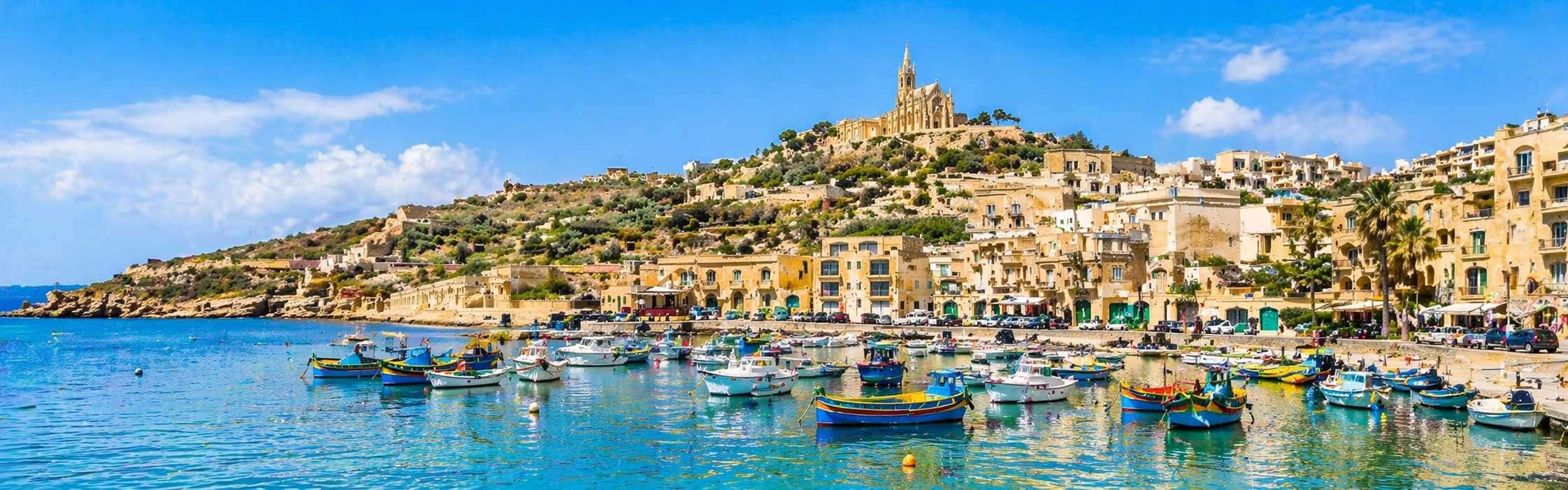
Twenty-five minutes on a ferry from the top of Malta, and the pace drops by half. Gozo — the archipelago's greener, quieter sister — is what a lot of people picture when they imagine the Mediterranean before the crowds arrived: drystone-walled fields, a hilltop citadel above a working market town, red-sand beaches, some of the clearest diving water in Europe, and villages where the loudest sound is the church bell. It is roughly a third the size of the main island and feels a generation slower, which is precisely the point. Gozo isn't the base for a first-timer trying to tick off every sight; it's the one returning visitors, couples and divers choose on purpose, for a week that runs on farmhouse time.

Every Gozo package we sell carries full ATOL financial protection under licence #11211, and your ATOL Certificate lands the moment you book — you can read exactly how your ATOL financial protection works before you commit. Every hotel and farmhouse we list here has been hand-picked and inspected against our 22-point criteria, because on an island this small the gap between a charming conversion and a tired one is the whole holiday. We'll also be straight with you: Gozo has fewer big resorts and only a handful of proper sandy beaches, so it suits a slower, more independent week — and it pairs beautifully with a few nights on the main island of Malta if you want both speeds in one trip.

"If Malta is the island I send first-timers to, Gozo is the one I send people back to," says Thomas Kaplan, our Product Manager and Mediterranean Specialist, who has spent 28 years auditing hotels across TUI, Thomas Cook, Neckermann and Vrijuit. "It's a different discipline to inspect. On Gozo the standout stays are farmhouse conversions and small hotels, not big-brand resorts, so I'm checking whether the pool actually gets sun, whether the nearest village has a shop and a bus, and whether the owner is on site or in another country. The good ones are magical — genuine peace, a plunge pool, a walk to dinner in the square. The wrong one leaves you stranded up a lane with a hire car and no plan. Tell my team how much quiet you actually want, and we'll be honest about which corner of Gozo delivers it." You can read how Thomas inspects our hotels before they make the list.
 

Photos of Gozo Island

Hand Picked Deals

Top Hotels in Gozo Island

Ta Cenc Hotel
Ta Cenc Hotel

Gozo / Malta

Bed&Breakfast

£ 1647.85

The Duke Boutique Hotel

Gozo / Malta

Room Only

£ 1151.35

Cornucopia Hotel
Cornucopia Hotel

Gozo / Malta

Bed&Breakfast

£ 1020.12

Discover Gozo Island

The resorts of Gozo Island

Inspected in person · 22-point criteria

Gozo doesn't split into resort strips the way the main island does. There's one hotel-and-farmhouse base — simply “Gozo” — that gathers the island's stays, surrounded by a scatter of villages that each set the mood. Here's how it fits together, and who the island really suits.

Across the island · Gozo

Gozo

Farmhouse Calm & Small Hotels
★★★★★

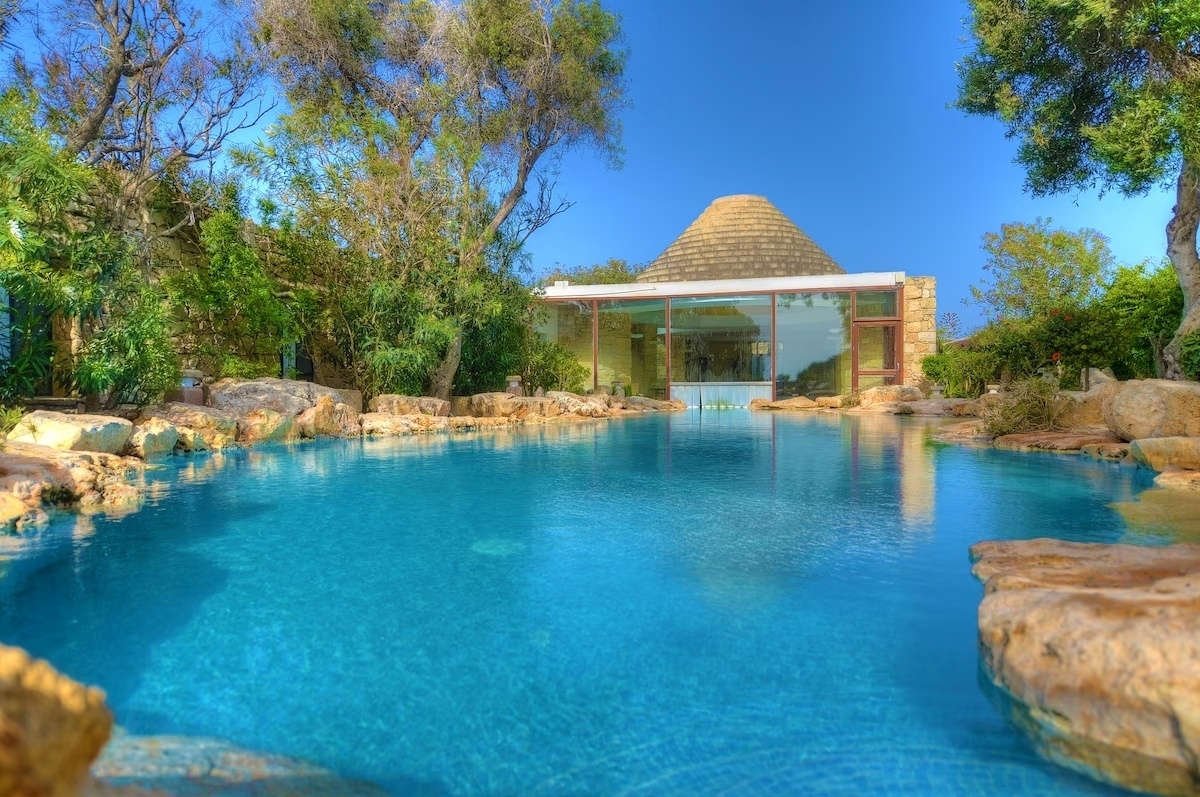
Our Gozo base gathers the island's best stays — from the clifftop Ta' Čenč Hotel and the boutique Duke Boutique Hotel in Victoria to the garden-set Cornucopia Hotel and its bungalows. For a larger, more traditional address there's the Grand Hotel Gozo above Mġarr harbour, while the St Patrick's Hotel puts you right on the Xlendi waterfront. Best for couples, divers and anyone after genuine quiet; maybe not for those who want nightlife or a big hotel beach on the doorstep.

🏖 Ramla Bay red sand & Xlendi coves within a short drive

Around that single base, the villages give Gozo its character. Victoria (Rabat) is the island's hilltop capital, crowned by the fortified Cittadella and busiest on market mornings; Marsalforn and Xlendi are the two little seaside villages, one a former fishing harbour ringed by salt pans, the other a narrow swimming cove tucked between cliffs, both full of waterside restaurants; and San Lawrenz, out west near Dwejra, is the quiet farming village divers and walkers gravitate to. Offshore lies Comino with its famous Blue Lagoon, an easy boat hop away. To see the full hand-picked line-up, open our Gozo base page, filter the selected luxury hotels for the boutique stays, or compare the buzz of the main island on our Malta Island page. It all comes under one straightforward GoToBeach Malta package.

Discover Gozo Island

Gozo rewards the traveller who slows down. The island's heart is Victoria, or Rabat as locals still call it, a market town built around the Cittadella — a compact fortified hill-city whose ramparts give you a view over almost the whole island, patchworked with drystone walls and domed churches. Below it, the Pjazza Indipendenza fills with a daily market and the cafés that make the best people-watching on the island. From there the whole of Gozo is fifteen minutes away in any direction: the red sand of Ramla Bay in the north-east, the salt pans and diving of Marsalforn, the swimming cove of Xlendi in the south, and the wild west coast around Dwejra and San Lawrenz.

What Gozo does better than almost anywhere in the Mediterranean is authenticity without hardship. You get the drystone-walled fields, the village festas with their fireworks and band clubs, the tiny farmhouse restaurants serving Gozitan ġbejniet cheese and slow-cooked rabbit — but you also get the euro, the English language, cards accepted everywhere and a 25-minute ferry back to a full-size airport. That combination is why so many of our Malta guests add a few Gozo nights, and why a growing number skip the main island altogether.

A little history helps you read the island. Gozo is, by local tradition, Homer's Ogygia — the island where the nymph Calypso held Odysseus for seven years — and the cave said to be hers looks down over Ramla Bay to this day. For thousands of years the Ğgantija temples near Xagħra have stood as some of the oldest free-standing structures on earth, older than Stonehenge and the pyramids and a UNESCO World Heritage Site. The famous Azure Window at Dwejra collapsed into the sea in a 2017 storm, but the dramatic cliffs, the Inland Sea and the Blue Hole around it remain the island's diving showpiece. Threaded between all of it are the walking trails — coast paths, valley walks and the pilgrimage route to the great domed basilica at Ta' Pinu — that make Gozo one of the best walking islands in the region outside high summer.

Gozo Island beaches & seafront

Gozo's swimming is a highlight, as long as you know what you're getting. The star is Ramla Bay in the north-east — a wide, wild beach of distinctive red-gold sand backed by green hills and the Calypso cave, and the finest natural stretch of sand in the whole archipelago. It has no big hotels behind it, which is exactly why it stays beautiful; bring your own shade and make a day of it. Beyond Ramla, sand is scarce and the island swims from coves and rock, which suits Gozo's character perfectly.

Xlendi is the classic Gozitan swimming village — a narrow inlet between high cliffs, with a small beach, ladders into deep clear water and a ring of seafood restaurants right on the front. Marsalforn, the island's low-key resort village, mixes a small sandy-and-shingle beach with rock lidos and the eerie chessboard of the Xwejni salt pans just along the coast. Out west, Dwejra's Inland Sea and Blue Hole are less about sunbathing and more about the most celebrated snorkelling and diving on the island. So if you dream of a huge hotel beach, Gozo isn't it — but for red-sand days at Ramla, cliff-cove swims at Xlendi and water clear enough to count the fish, few islands compare.

One habit worth forming: on Gozo the swimming spot changes with the wind, and the island is small enough to follow it. When a north-easterly whips up Ramla, the south-coast coves at Xlendi and Mġarr ix-Xini — a slot of a bay reached down a single-track lane, and one of the quietest swims in the islands — stay glassy; when the south is blown out, Ramla and Marsalforn come into their own. On our audit visits we always ask the farmhouse hosts which side is sheltered that morning, because they know before any forecast does. San Blas, the tiny red-sand cousin of Ramla reached down a steep path, rewards anyone willing to walk for it with near-solitude even in August.

Facilities are deliberately thin. Ramla and Marsalforn have seasonal kiosks and a few loungers; Xlendi has cafés at the water's edge; the wilder coves have nothing at all, so a cool-box, a good pair of water shoes for the rocky entries, and your own shade turn a good beach day into an easy one. Blue-flag lifeguard cover is limited to the busiest spots in peak season, so read the swimming conditions and keep an eye on children where there's no flag — the water is clear and calm far more often than not, but it pays to arrive knowing that.

Things to do around Gozo Island

For such a small island there is a surprising amount to fill a week. Top of the list is the Cittadella in Victoria — its restored bastions, cathedral and little museums make an easy morning, best finished with lunch in the market square below. The Ğgantija temples at Xagħra are a short drive on, paired naturally with the Ta' Kola windmill and the curious Xerri's Grotto. Ramla Bay and the Calypso cave above it are the classic beach-and-view afternoon, while the west coast around Dwejra — the Inland Sea, the Fungus Rock and the diving sites — is the island's most dramatic corner.

Beyond the sights, Gozo is made for pottering. Walkers have coast paths and valley trails in every direction; the great domed basilica of Ta' Pinu draws pilgrims and photographers alike; and the harbour at Mġarr, where your ferry arrives, is worth an evening for its fish restaurants. Comino and the Blue Lagoon are a short boat trip from Mġarr or Marsalforn for the clearest swimming in the islands.

Time your trip well and Gozo hands you its best side. The village festa season runs through summer, when each parish celebrates its patron saint with days of fireworks, brass bands and decked-out streets — ask us which villages are celebrating during your week and you'll see the island at full, joyful volume. Spring and autumn are the walkers' seasons, when the countryside is green and the coast paths are comfortable underfoot; the Ta' Pinu pilgrimage route and the cliff walks above Xlendi and Sanap are the pick. Foodies should hunt down the mobile ftira vans and the farmhouse tables serving Gozitan cheese, honey and rabbit, and no visit is complete without a glass of the island's own peppery red under a village square's plane tree as the light goes.

Victoria's Cittadella & the Gozo villages

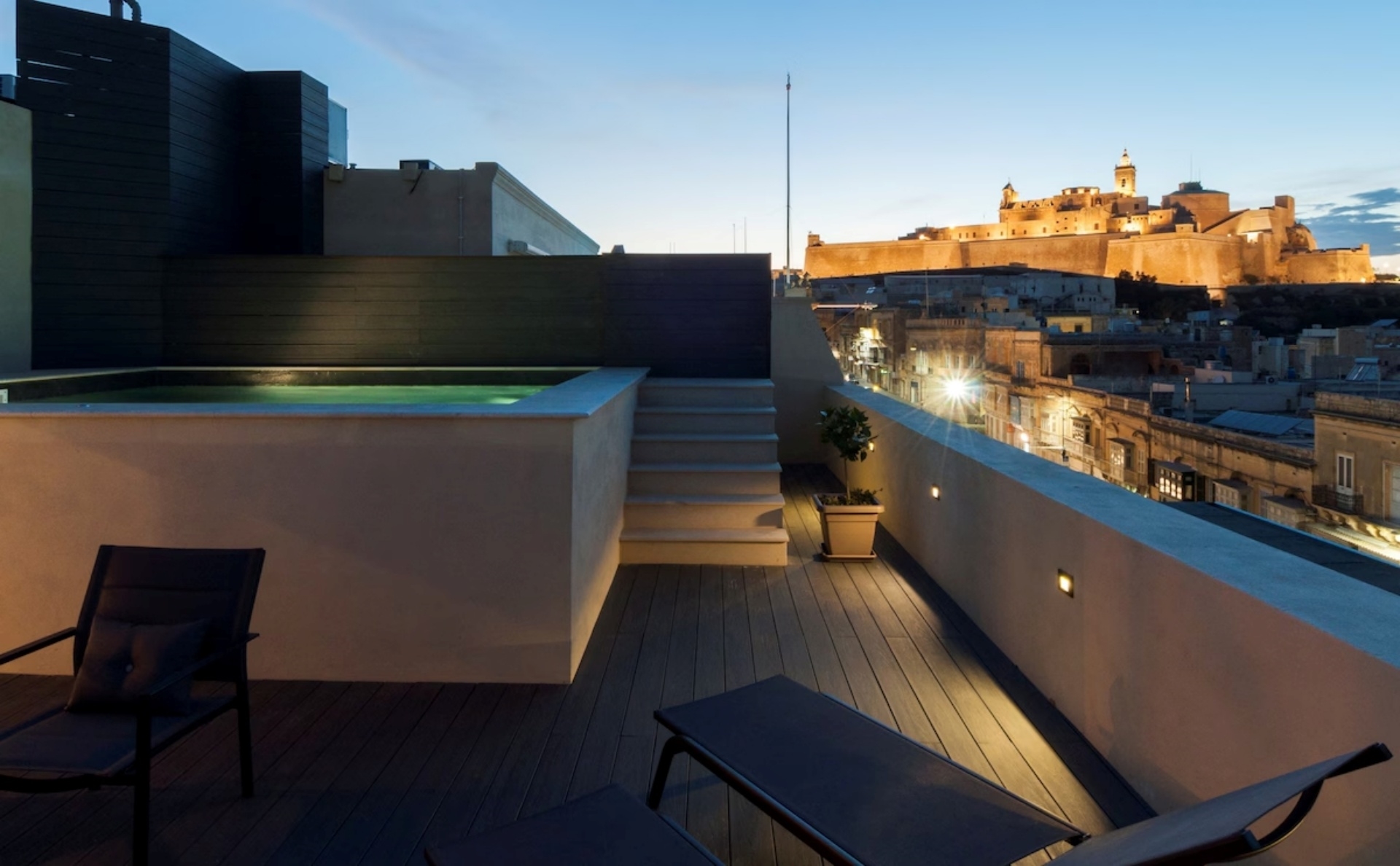
Every Gozo holiday orbits Victoria, and every visit to Victoria orbits the Cittadella. This fortified hill-city, restored and reopened over the past decade, is where Gozitans once sheltered from corsair raids behind walls that still crown the town. Walk the ramparts for a 360-degree sweep across the whole island — you can pick out the sea on three sides and the domes of a dozen parish churches — then drop into the cathedral, the old prison and the small folklore and archaeology museums tucked into the lanes. Below the walls, the daily market on Pjazza Indipendenza (locals call it It-Tokk) is the island's social heart, best on a Sunday when the whole of Gozo seems to come to town.

The villages fan out from there, and each has its own flavour worth a slow visit. Xagħra sits above Ramla Bay with the Ğgantija temples on its doorstep; Nadur is famous for its riotous carnival and hilltop views; San Lawrenz is the tranquil western base for Dwejra and the divers; Għarb and Għasri hold some of the prettiest countryside and the Ta' Pinu basilica. Renting a farmhouse in one of these villages, with a plunge pool and a walk to the local band club for dinner, is the quintessential Gozo week — and the one our specialists most often build for couples who've done the big-resort holiday and want something with more soul.

Diving Gozo: Dwejra & the inland sea

Gozo is one of the Mediterranean's great diving islands, and for many visitors it is the whole reason to come. The water is warm, exceptionally clear and calm for much of the year, and the sites are close in and beginner-friendly as well as spectacular for the experienced. The showpiece is Dwejra on the west coast: the Inland Sea, a lagoon linked to the open Mediterranean by a natural tunnel through the cliff that divers swim out through into deep blue water, and the Blue Hole, a near-perfect rock pool beside the rubble of the collapsed Azure Window. Together they make one of the most photographed dive sites in Europe.

There is far more than Dwejra. Wrecks scuttled as artificial reefs off Xatt l-Aħmar, the caverns and reefs around Marsalforn and Xlendi, and the marine life along the north coast keep divers busy for a week without repeating a site. A cluster of long-established, well-run dive schools operate out of Marsalforn, Xlendi and San Lawrenz, offering everything from a first try-dive to technical courses, and many of our farmhouse and small-hotel guests build their whole week around a morning-dive rhythm. If diving is your reason for the trip, tell us when you book — we'll steer you to a base within easy reach of the schools and the sites, and remind you that comprehensive travel insurance covering diving is essential.

When to go to Gozo Island

Gozo shares Malta's long, mild season but rewards the shoulder months even more — here's how they feel, and when our specialist would book the island.

WhenAirSeaOur take
April–May19–24°C17–19°CPeak walking season — green countryside, wildflowers and comfortable coast paths, with the villages quiet and prices low. The sea is still bracing until late May.
June27–29°C21–23°CWarm, dry and gorgeous, the sea finally inviting and the festa season starting up in the villages. A lovely time before the summer peak.
July–August30–32°C25–27°CHot and lively, with festas most weekends and warm-bath swimming at Ramla and Xlendi. Book farmhouses and dives early; walk in the cool hours.
September–October25–29°C24–25°COur pick: the warmest sea of the year, softer heat, superb diving visibility and the countryside turning green again. Gozo at its best.
November–March15–18°C15–17°CA mild, green, deeply peaceful off-season — walking, festivals and long lunches, when Gozo feels like it belongs to the locals again.

If you're coming for the water — beaches or diving — June or late September give you the warmest sea and thinner crowds, with September's diving visibility especially prized. If you're here to walk, explore the villages or simply slow down, spring and autumn are magical, and even the winter is mild enough for coast paths in a light jacket. Gozo empties of day-trippers by late afternoon year-round, so an overnight base always beats a day trip if peace is what you're after.

The practical parts

Getting there

You fly into Malta International at Luqa — around three and a quarter hours direct from the UK — then it's a drive to the north of Malta and the Gozo Channel ferry from Ċirkewwa, which runs around the clock and takes about 25 minutes into Mġarr harbour. Your GoToBeach package includes the transfer through to your Gozo base, ferry and all, so you don't have to piece the journey together yourself.

Passports & entry

Gozo is part of Malta, in the EU and the Schengen area, so UK visitors travel visa-free for up to 90 days in any 180, on a passport issued within the last 10 years and valid for three months beyond departure. The EES system now takes a photo and fingerprints at the Malta border in place of a stamp, and ETIAS is coming soon. Rules can change at short notice — always recheck the official guidance before you travel.

Money

The currency is the euro, and cards are accepted in shops, restaurants and even village kiosks, so you need little cash — a bit for the market, the odd farmhouse eatery and tips. Service is occasionally added to bills; where it isn't, rounding up or five to ten per cent is the norm. Gozo is a touch cheaper than the main island, and well below Italy or France.

Health & insurance

No vaccinations are needed and healthcare is good, with a general hospital in Victoria and English spoken everywhere. A free UK GHIC covers state care, but comprehensive travel insurance is essential — and if you plan to dive, make sure your policy explicitly covers it. Tap water is safe but desalinated, so many prefer bottled for taste, and the summer sun is strong on the exposed coast paths.

Getting around

Gozo is the one part of the Maltese islands where a hire car genuinely earns its keep. The bus network reaches the main villages from Victoria but runs less often than on Malta, and the island's pleasures — a farmhouse up a lane, a west-coast dive site, a red-sand beach — are spread out. A small car for the week, driven on the left UK-style, unlocks the island; without one, base yourself near Victoria for the best bus links.

Food & eating out

Gozo takes its food seriously. The island's own ġbejniet cheese, peppery sourdough ftira, slow-cooked rabbit and honey turn up on farmhouse tables and in the harbour restaurants of Xlendi, Marsalforn and Mġarr. Menus are in English, the local wine is worth trying, and our specialist's guide to Maltese food and nightlife points you to the tables worth booking. Evenings here are about a long dinner, not a late one.

Map of Gozo Island

Frequently Asked Questions About Gozo Island

Common questions and answers for planning your Gozo Island holiday.

Handpicked packages featuring the best destinations across the Gozo Island

Official guidance & sources

Entry and health rules for Malta and Gozo can change at short notice, especially as the EU rolls out its EES and ETIAS systems, so always check the official advice when you book and again shortly before you fly. These are the sources we trust.